Invest & Live in Las Palmas de Gran Canaria: Your 2025 Property Guide

Why Choose Las Palmas de Gran Canaria?
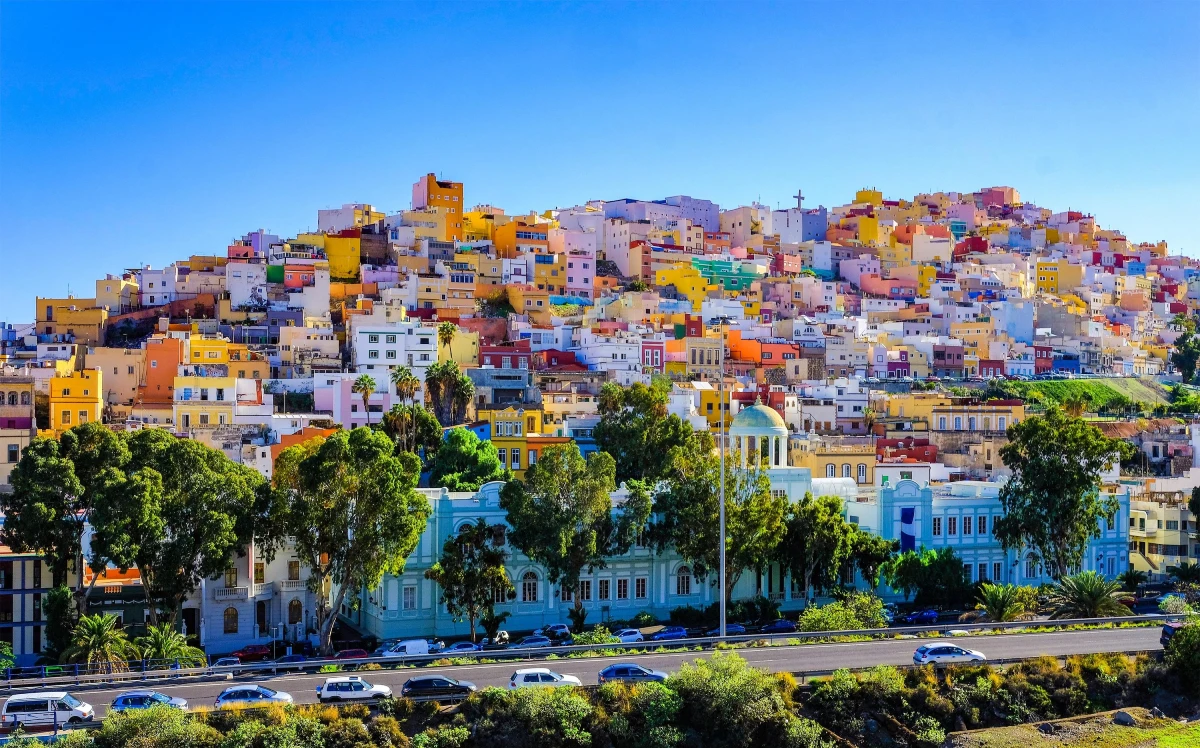
Often cited by climatologists at Syracuse University as having the "best climate in the world", Las Palmas de Gran Canaria offers much more than eternal spring weather. Choosing to live here means opting for Spain's 9th largest city, a cosmopolitan and vibrant metropolis located in the heart of the Atlantic Ocean. It's a unique destination that combines intense urban life, a classified colonial historic center (Vegueta), and one of Europe's most beautiful urban beaches, Las Canteras, all while benefiting from an advantageous tax regime unique to the Canary Islands.
However, island life involves different logistics than the mainland and a more pronounced geographical remoteness (approximately 4 hours flight from Paris). For investors seeking a similar Mediterranean climate but with the ease of road access from France and immediate connection to the rest of Europe, it is relevant to compare with, for example, the Costa Blanca, to evaluate the advantages of a mainland residence.
Location and Climate
Capital of the island of Gran Canaria and co-capital of the autonomous community of the Canary Islands, Las Palmas is located at the northeastern tip of the island. Its international airport (LPA) is a major hub, located 20 minutes from the city center via the GC-1 motorway. The subtropical climate there is remarkably stable, tempered by trade winds and the Gulf Stream.
| Indicator | Key Data | Property Advantage |
|---|---|---|
| Climate | Winter: 17-21°C | Summer: 24-28°C | No heating needed, minimal AC |
| Airport (LPA) | 25 km from center | Direct connections across Europe |
| Distance | 2h30 flight from Madrid | Complete change of scenery while staying in Spain |
Real Estate Market in Las Palmas de Gran Canaria: Prices and Trends
The real estate market in Las Palmas is dynamic, driven by strong local demand and the significant arrival of "digital nomads" attracted by the quality of life. Prices remain lower than in the Balearic Islands or major continental capitals, offering excellent opportunities. The market is clearly divided between the highly sought-after and expensive "Beach" area (Puerto-Canteras) and the "Historic/Residential" area (Vegueta, Triana, Ciudad Jardín) which offers character properties.
"Las Palmas is a two-speed market. The first line of Las Canteras reaches premium prices comparable to San Sebastián, while residential neighborhoods in the hills (Ciudad Alta) still offer very competitive prices per m² for breathtaking sea views." – Voguimmo Canary Islands Expert.
| Neighborhood / Zone | Property Type | Estimated Average Price (€/m²) |
|---|---|---|
| Las Canteras (Seafront) | Tourist Apartments / View | 3 800 € - 5 500 € |
| Vegueta / Triana | Colonial / Historic Apartments | 2 500 € - 3 500 € |
| Ciudad Jardín | Luxury Villas / Embassy Residences | 3 200 € - 4 500 € |
| Puerto (Isleta) | Renovated Apartments | 2 800 € - 3 800 € |
Quality of Life and Services
Living in Las Palmas means enjoying a city that never sleeps, with a rich cultural offering and spectacular volcanic nature right on its doorstep.
- Las Canteras Beach: 3 km of golden sand protected by a natural barrier ("La Barra"), a natural aquarium within the city.
- Culture & History: The Vegueta district is home to Columbus House and Santa Ana Cathedral.
- Special Tax Regime: The Canary Islands benefit from IGIC (Canary Islands General Indirect Tax, equivalent to VAT) at a reduced rate (generally 7%), boosting purchasing power.
- Maritime Connections: Ferries to other islands (Tenerife, Fuerteventura) for weekend getaways.

Tips for Settling In
Moving to the Canary Islands presents administrative specificities linked to their status as an outermost region.
- The NIE: Essential as everywhere in Spain, but waiting times can be long on the island. Make an appointment well before your arrival.
- Taxation (IGIC): Clearly understand the difference between IVA (mainland Spain's VAT) and IGIC (Canary Islands' indirect tax). This impacts your invoices and purchases of movable goods.
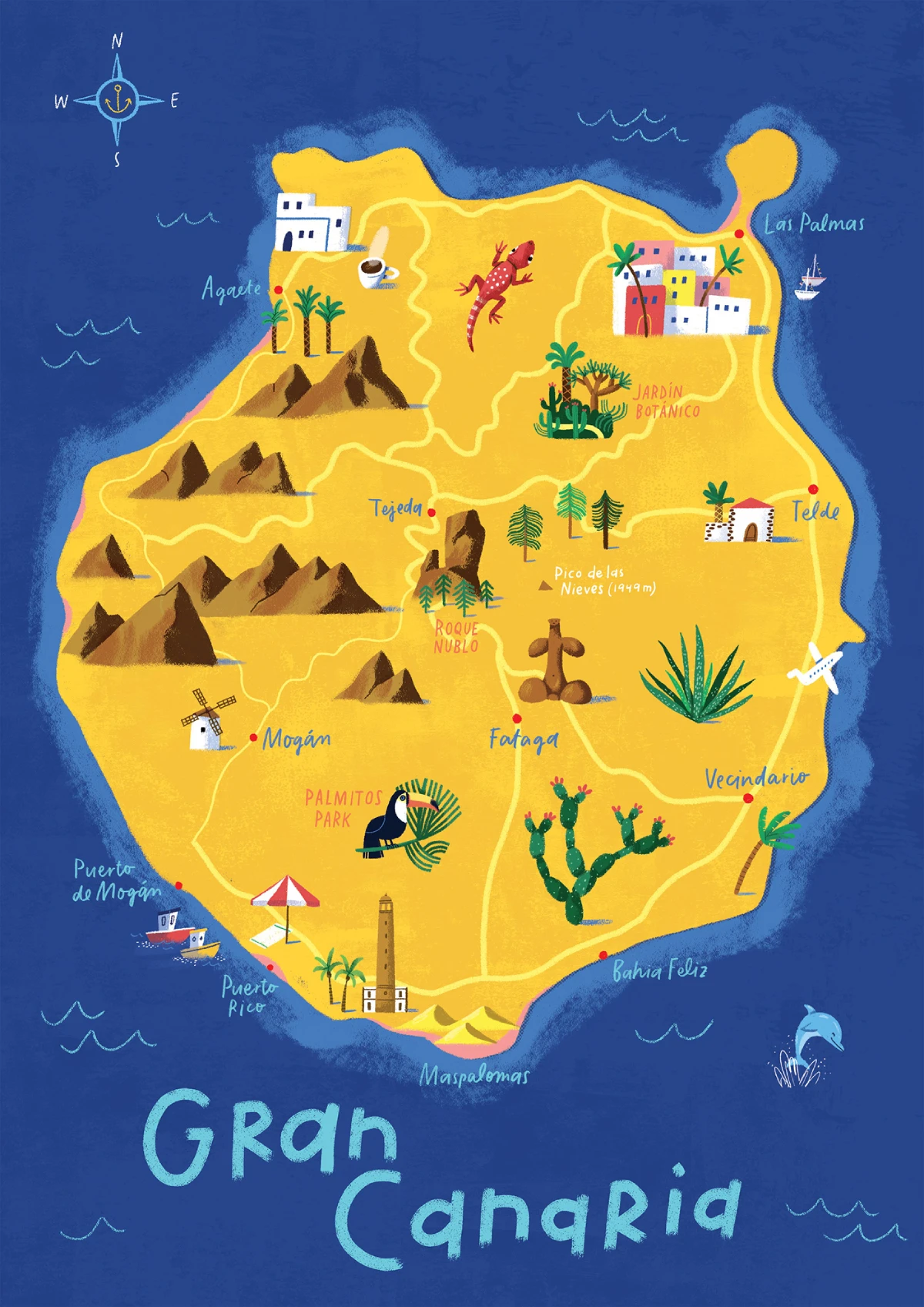
- Transport: While the city can be explored on foot or by bike, a car is recommended for exploring the island's mountainous center (Tejeda, Roque Nublo).
Our Expert Opinion
Las Palmas de Gran Canaria is the ideal choice for those who want to leave the European winter behind for good, without sacrificing the vibrancy of a major Spanish city. It is a mature and secure market. For more information on activities and the cultural agenda, visit the official website of the Las Palmas Tourist Board.

Your Las Palmas Property Project?
Take advantage of market opportunities. Let's discuss your project.
FAQ: Investing in Las Palmas de Gran Canaria
Investing in the Canary Islands offers an unparalleled quality of life and a dynamic property market. Discover the specifics of property acquisition and the tax benefits in Las Palmas de Gran Canaria.
Las Palmas is renowned for its 'best climate in the world' and seamlessly blends vibrant city life with its colonial historic centre, Vegueta, and the stunning Las Canteras beach. As Spain's 9th largest city, it offers favourable Canary Islands tax benefits, a significant advantage for international investors.
Las Palmas de Gran Canaria boasts a remarkably stable subtropical climate, harmonised by the trade winds and the Gulf Stream. Experience mild winters (17-21°C) and moderate summers (24-28°C), significantly reducing your need for heating or air conditioning. This creates a genuine eternal spring, a highly sought-after lifestyle.
Las Palmas provides an island setting offering a complete change of scenery. However, this entails different logistics and a more significant geographical distance (approximately a 4-hour flight from Paris). For those who prioritise a Mediterranean climate with easy road access from France and immediate connection to continental Europe, the Costa Blanca can be a compelling alternative to consider for a more accessible property.
Las Palmas, the vibrant capital of Gran Canaria, is strategically positioned on the island's northeastern tip. Its international airport (LPA), a major travel hub, offers unparalleled accessibility, located just a swift 20-minute drive from the city center via the efficient GC-1 highway. This ensures seamless direct connections with major European cities, making travel effortless for both discerning residents and international investors alike. ✈️
The real estate market is dynamic, supported by strong local demand and the influx of numerous digital nomads.
While prices are rising, they remain lower than those in the Balearic Islands or major mainland Spanish capitals, thus presenting excellent investment opportunities.
- The 'Coastal' Zone (Puerto-Canteras) is highly sought-after, commanding premium prices, particularly for frontline sea views – ideal for luxury short-term rentals.
- The 'Historic & Residential' Zone (Vegueta, Triana, Ciudad Jardín) presents unique character properties and spacious luxury villas, perfect for long-term residency or upscale rentals.
- The elevated districts (Ciudad Alta) offer competitive per square meter pricing alongside breathtaking panoramic sea views, representing excellent value and potential for capital appreciation.
Discover the estimated average property prices per square meter (€/m²) across Las Palmas' key districts, based on current market trends:
| District / Area | Property Type | Estimated Average Price (€/m²) |
|---|---|---|
| Las Canteras (Beachfront) | Holiday Apartments / Scenic Views | 3,800 € - 5,500 € |
| Vegueta / Triana | Period Apartments / Historic | 2,500 € - 3,500 € |
| Ciudad Jardín | Luxury Villas / Embassy Residences | 3,200 € - 4,500 € |
| Puerto (Isleta) | Renovated Apartments | 2,800 € - 3,800 € |
Living in Las Palmas offers an exceptional lifestyle, including:
- Las Canteras Beach: 3 km of golden sand, protected by "La Barra", forming a natural urban marine reserve.
- Rich cultural and historical heritage: the Vegueta district is home to the Casa de Colón (Columbus House) and Santa Ana Cathedral.
- Easy maritime connections: discover convenient ferry links to other Canary Islands (Tenerife, Fuerteventura) for memorable getaways.
Yes, the Canary Islands benefit from a special tax regime. The IGIC (Impuesto General Indirecto Canario), the equivalent of Spanish VAT, applies at a reduced rate (generally 7%). This significantly boosts residents' purchasing power and has a direct impact on the prices of goods and services, as well as on certain real estate transactions, making it an attractive factor for investors and residents.
The NIE (Número de Identificación de Extranjero) is absolutely essential for any administrative procedure or transaction in Spain, including property acquisition. To ensure a seamless process, we highly recommend booking your appointment for its acquisition well in advance of your arrival, as waiting times on the island can be considerable due to high demand.
The primary distinction lies in their geographical application and tax rate. IVA (Value Added Tax) is the standard for mainland Spain, while IGIC is specific to the Canary Islands. The IGIC rate is generally lower, which positively impacts your invoices and purchases of movable goods and, in certain cases, specific real estate operations (such as new-build purchases from a developer).
Las Palmas city can be easily explored on foot or by bike. However, a car is highly recommended if you wish to discover the island's mountainous interior, its spectacular landscapes like Tejeda or Roque Nublo, and access more secluded beaches. Public transport is efficient within the city but limited for rural exploration.
Tax residents in the Canary Islands enjoy a considerable advantage for their travel:
- A substantial discount (currently 75%) on air and sea tickets for inter-island journeys.
- The same discount applies to flights and sea crossings to the Spanish mainland.
This benefit makes travel significantly more affordable and greatly simplifies connections with mainland Europe.
Las Palmas de Gran Canaria is the ideal choice for investors looking to escape the European winter without sacrificing the vibrancy of a major Spanish city. It's a mature and secure market, offering an exceptional quality of life and stable investment opportunities. We consider this city a sound investment for either a permanent residence or a rental property.
- Obtaining your NIE: This is the crucial first step. Plan your application well in advance due to potential processing times.
- Understanding IGIC: Familiarise yourself with the specific local taxation in the Canary Islands, particularly the distinction between IVA (VAT) and IGIC.
- Opening a Spanish Bank Account: This simplifies all your transactions and recurring payments.
- Insurance and Utilities: Secure the necessary insurance policies and arrange connections for essential services (water, electricity, internet).


