
Why Is Buying Property in Spain Profitable?

Why Is Buying Property in Spain Profitable?

Introduction

For over two decades, Spain has captivated real estate investors worldwide. Its climate, quality of life, and competitive prices compared to other European markets make it a prime destination for purchasing a primary residence, a second home, or for a rental investment. But beyond its undeniable charm, Spain presents robust economic and strategic advantages. Understanding these benefits is the first step towards a successful property acquisition in Spain.

In this article, as experts in the Iberian real estate market, we will thoroughly examine the key factors that enhance the appeal of Spanish property: prices, rental demand, taxation, and long-term appreciation prospects.

1. Still Competitive Prices Compared to Western Europe

While the Spanish real estate market has seen significant growth since the 2008 crisis, prices remain considerably lower than those in France, the United Kingdom, Germany, or Switzerland. The average price per square meter in Spain ranges from €2,000 to €2,500, with notable regional variations.

Indicative Comparison of Property Prices (€/m² in City Centre)
City / Region Approximate Average Price Trend
Costa Blanca (e.g., Alicante) 2 200 € - 3 500 € Affordable
Madrid (Capital) 4 500 € - 6 000 € High (for Spain)
Paris (France) 10 000 € - 12 000 € Very High

Coastal areas such as the Costa Blanca, the Costa del Sol, and certain inland cities still present attractive opportunities with strong appreciation potential. For an investor, this means the chance to acquire quality properties in desirable locations at a significantly lower cost than elsewhere in Europe.

2. Strong Rental Demand, Driven by Tourism and Expatriation

Spain is one of the world's most popular tourist destinations, welcoming over 80 million visitors annually. This influx generates massive rental demand, particularly in coastal resorts and major cities like Barcelona, Madrid, or Valencia.

Seasonal vs. Long-Term Rental

  • Seasonal Rental: Platforms like Airbnb and Booking make property management more accessible and allow for generating high incomes, especially during the peak summer season.
  • Long-Term Rental: The presence of an international community of expatriates, remote workers (digital nomads), and Erasmus students also creates constant demand for urban housing.

Infographic detailing the impact of tourism on rental profitability in Spain

3. A Favorable Tax Framework for Foreign Investors

Contrary to some misconceptions, Spanish property taxation remains competitive, especially for residents of the European Union. Rental income tax rates are reasonable, with a standard rate of 19% for European (EU/EEA) residents on net income (after deducting numerous expenses: loan interest, IBI, agency fees, depreciation, etc.).

Tax / Fee Type Details and Key Rates
Purchase Costs (ITP or IVA) Between 10% and 13% of the property price (varies by region and whether the property is new (IVA) or resale (ITP)).
Non-Resident Income Tax (IRNR) on Rental Income 19% on net income for EU/EEA residents (deductible expenses). 24% on gross income for non-EU residents.
Property Tax (IBI) Annual property tax, generally low (0.4% to 1.1% of cadastral value).

For European retirees, Spain also has bilateral tax treaties (such as with France or Belgium) that prevent double taxation, further enhancing its appeal. For official information, consult the Spanish Tax Agency portal Agencia Tributaria.

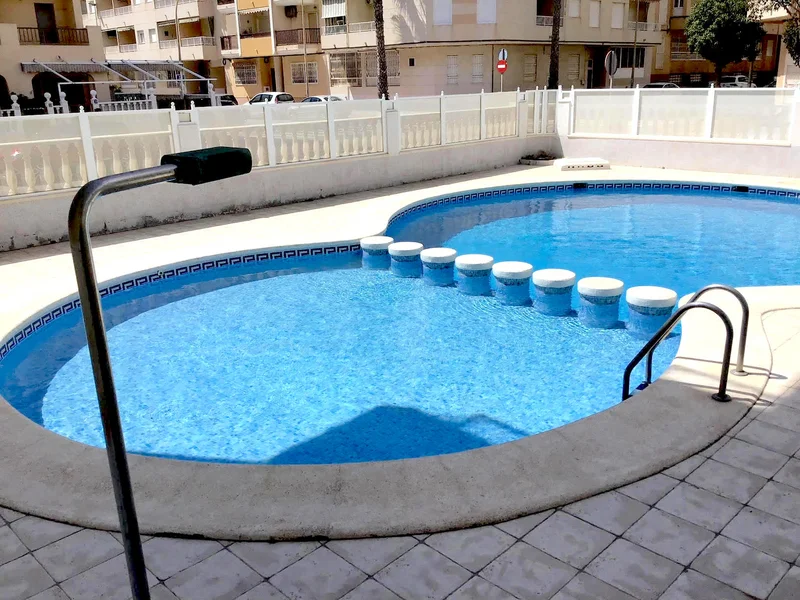
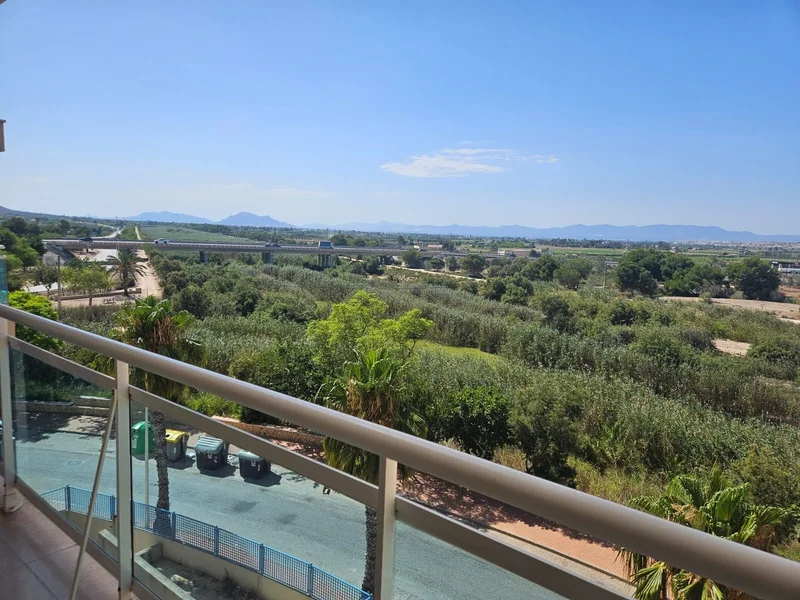
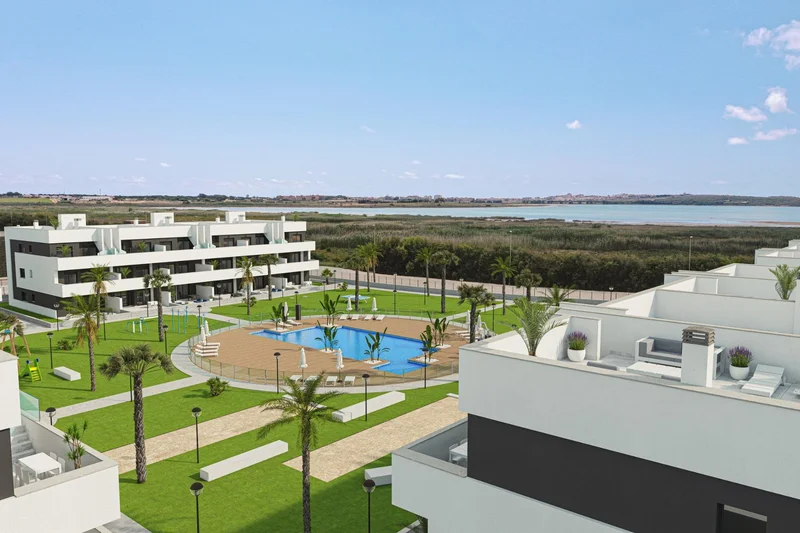
Why it is profitable to buy property in Spain? - image 1
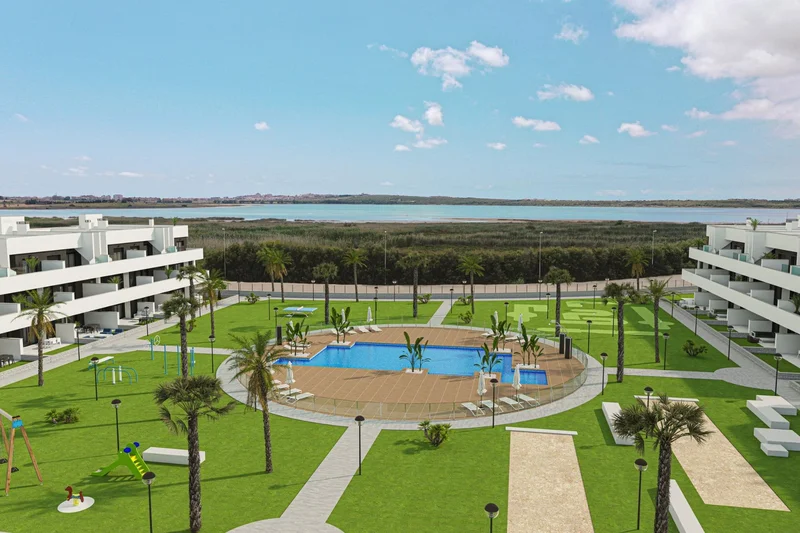
4. A Unique Lifestyle That Supports Property Value

Investing in Spain is not just about buying a property; it's also about enjoying an exceptional lifestyle that attracts new residents every year. This appeal supports demand and, consequently, property values.

  • Over 300 days of sunshine per year in the Southern regions (Andalusia, Murcia, Valencian Community).
  • Modern infrastructure: international airports (Alicante, Malaga, Valencia...), high-speed rail lines (AVE), and an efficient healthcare system.
  • A Mediterranean lifestyle based on conviviality, world-renowned gastronomy, and a managed cost of living.

These advantages reinforce constant real estate demand, whether for purchase, rental, or resale, ensuring good liquidity for your investment.

5. Long-Term Appreciation Prospects

The Spanish real estate market has shown consistent and healthy growth since 2015. Even if occasional corrections may occur, experts agree that Spain offers solid long-term appreciation prospects.

  • The return of post-pandemic economic growth, often above the Eurozone average.
  • Increased appeal to foreign investors, who represent a significant share of purchases in coastal areas.
  • The scarcity of quality developable land (first-line sea properties, historic city centers), which safeguards the value of existing assets.

"The Spanish market is no longer a volatile speculative market. It has matured, offering sustainable appreciation for investors who prioritize quality locations and a long-term vision."

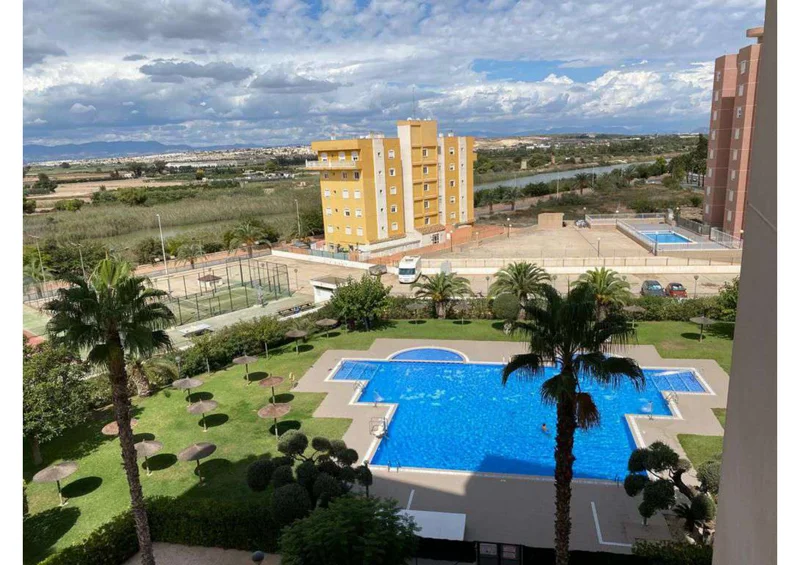
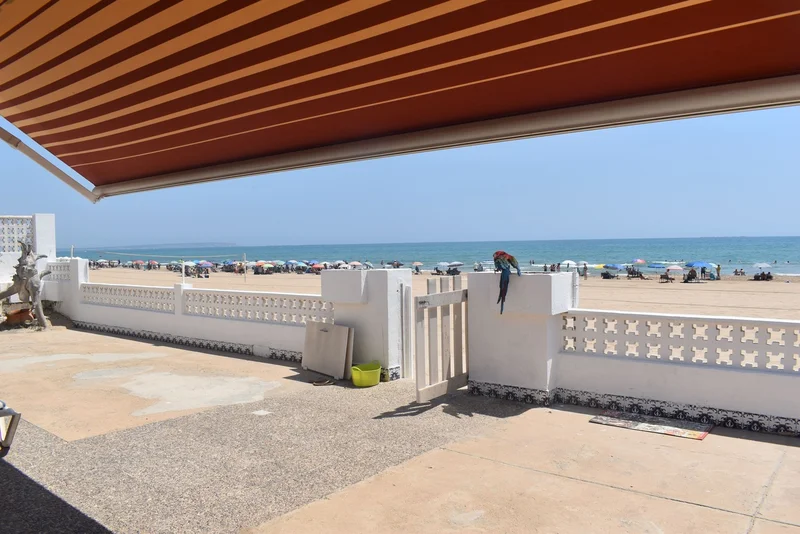
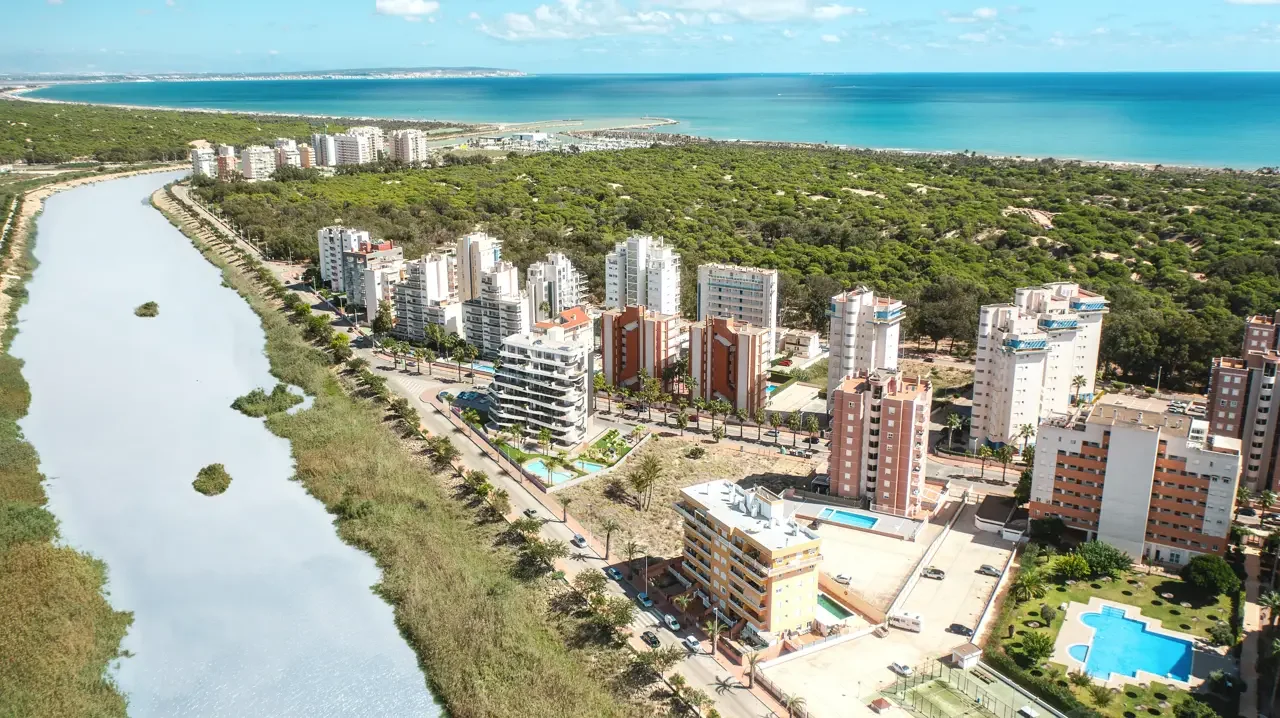
Sea view from a luxury property on the Costa Blanca in Spain

Conclusion

Purchasing property in Spain is a choice that combines personal enjoyment and financial profitability. With still attractive prices, strong rental demand, favorable taxation, and an enviable lifestyle, Spain stands out as one of Europe's most appealing real estate markets.

Whether you are looking for a second home in the sun, a profitable rental investment, or a permanent relocation for your retirement, Spain offers all the guarantees for a successful and lasting real estate project.

Expert Voguimmo

Interested in a Profitable Investment?

Take advantage of market opportunities. Let's discuss your project.

★★★★★
4.9/5 sur 1530 avis

🔒 Free & no commitment. Your data remains confidential.

FAQ : Real Estate Investment Profitability in Spain

Your Guide to Smart Property Investment

Spain's profitability rests on three pillars:

  1. Purchase prices that remain highly competitive compared to the UK, US, and other Western European countries.

  2. Strong rental demand, fueled by both mass tourism (over 80 million visitors per year) and a stable long-term rental market (expatriates, remote workers, students).

  3. A desirable lifestyle (climate, infrastructure, quality of life) that supports property values long-term.

Yes, significantly. While property values in many major European capitals often exceed €10,000 per square meter, Madrid typically ranges between €4,500 and €6,000. In highly sought-after coastal areas like the Costa Blanca (Alicante region), you can find quality properties for €2,200 to €3,500 per square meter, offering a much more accessible entry point for investors.

This is a crucial aspect of your budget (YMYL). As experts, we recommend allocating between 10% and 13% of the property's purchase price. This amount will cover the main property transfer tax (ITP or IVA/VAT), as well as all ancillary costs: public notary fees, Land Registry fees, and legal fees.

It's very simple:

  • IVA (VAT) at 10% applies only to the purchase of new-build properties (directly from the developer).

  • ITP (Impuesto de Transmisiones Patrimoniales – Property Transfer Tax) applies to the purchase of all resale properties. Its rate varies by Autonomous Community (generally between 7% and 10%).

You should budget for two main costs:

  1. IBI (Impuesto sobre Bienes Inmuebles): This is Spain's equivalent of Council Tax or Property Tax. It is generally much lower than in the UK or US and is based on the property's "cadastral value" (valor catastral).

  2. Community Fees (Gastos de Comunidad): These are communal charges for the maintenance of shared areas (swimming pool, lift, gardens, etc.).

Yes, it is very competitive. Spain has signed double taxation treaties with numerous countries, including the UK and the US, to avoid double taxation. Furthermore, the favorable treatment of rental income taxation is a key advantage.

For residents of the European Union, European Economic Area (EEA), and countries with a tax information exchange agreement with Spain (which includes the UK), the tax rate (known as IRNR – Impuesto sobre la Renta de No Residentes) is a flat 19%. For residents from other non-EU/EEA countries (including the US, in many cases), this rate is 24%.

This is the most important point: the 19% applies to net income. This is a major difference compared to other countries. You can deduct a significant number of expenses from your rental income, which greatly reduces your taxable base.

The list is extensive and demonstrates the expertise required to optimize your tax situation. You can deduct:

  • Mortgage interest.

  • Property tax (IBI).

  • Community fees.

  • Agency fees and property management costs.

  • Insurance policies (e.g., landlord's insurance).

  • Maintenance and repair works.

  • Property depreciation (typically 3% of the construction value).

No. Thanks to bilateral tax treaties, you will not be taxed twice. You declare your Spanish rental income in Spain (where you pay the 19% net tax) and in your country of residence (e.g., the UK or US). Your home country will then grant you a tax credit equal to the tax paid in Spain, or apply an exemption method, to avoid double taxation, depending on the specifics of the treaty.

This depends on your objective:

  • Short-term (tourist) rentals: Offer the highest income potential, especially during peak season in coastal areas. However, this demands more active management.

  • Long-term rentals: Provide a stable and secure return. Demand is constant thanks to expatriates, remote workers, and students. This offers more passive management.

In major cities like Madrid, Barcelona, or Valencia, demand (from students, expatriates) is constant throughout the year. In coastal areas (Costa Blanca, Costa del Sol), the very high season is concentrated in summer, but the exceptional climate ensures a very long "shoulder" season (remote workers, retirees), often from April to October.

Beyond Spain's economic growth, property value is supported by two key factors:

  1. International appeal: Foreign demand remains strong and drives the "premium" market upwards.

  2. Scarcity of land: In the most sought-after areas (first-line beach properties, historic city centers), buildable land is scarce, which protects the value of existing properties.

The main risk (YMYL) is failing to conduct thorough legal due diligence. It is essential to verify that the property is correctly registered (free of debts or urban planning infringements) and that the seller holds clear title to the property. The second risk is underestimating the acquisition costs (the 10-13%).

Yes. As experts (E-E-A-T), we consider this non-negotiable to secure your financial investment. A specialized solicitor is essential for legal due diligence before the purchase. A gestor (tax advisor) is indispensable for optimizing your rental income declarations (deduction of expenses) and ensuring compliance with the Agencia Tributaria (the Spanish tax authority).

You might be interested in ...

On the same topic:

Our clients talk about us