The Best Places to Live in Spain for Expats and International Investors

Introduction
Choosing Spain as a country of residence is a dream for many expats and international investors. But the real question is: where to settle down? With its diverse landscapes, climates, and lifestyles, Spain offers a multitude of possibilities. This decision directly impacts your finances and quality of life.
As experts in the Spanish real estate market, we review the best places to live in Spain for foreigners, catering to different profiles: families, retirees, digital nomads, and investors. Whether you're seeking urban dynamism or coastal tranquility, there's a region perfectly suited for you.
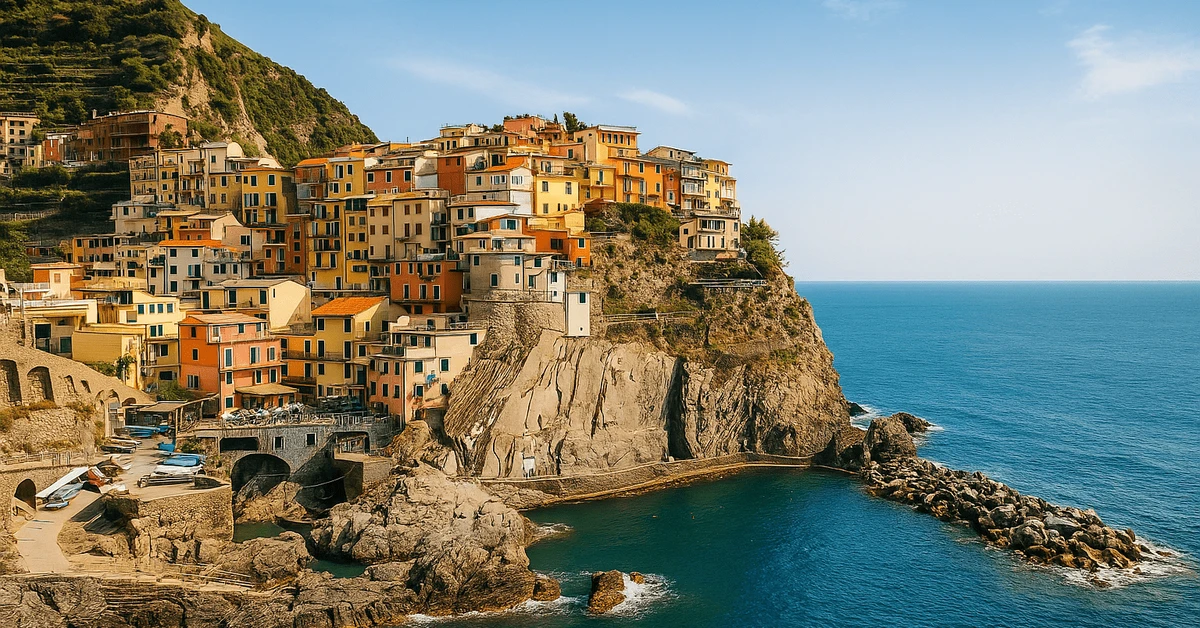
1. Barcelona: The Cosmopolitan Mediterranean Hub
Barcelona captivates with its mild climate, economic dynamism, and international atmosphere. The city attracts many expats thanks to its rapidly expanding tech sector, international schools, and proximity to the sea.
Barcelona: Pros and Cons
| ✅ Advantages | ⚠️ Disadvantages |
|---|---|
| Large international community | High cost of housing |
| Professional opportunities (digital, tourism) | High tourist influx |
| Varied culture and leisure activities | Administrative complexity (Catalan language) |
2. Madrid: The Vibrant, Connected Capital
Madrid is the economic and political heart of Spain. It is a modern city that combines professional opportunities with a high quality of life. Although it doesn't have a coastline, Madrid compensates with a rich cultural offering and a lively nightlife.
Madrid: Pros and Cons
- Major employment hub in Europe.
- Efficient transport network and international hub.
- Intense cultural and gastronomic scene.
- Very hot and dry summers (continental climate).
- Rents are constantly rising.
3. Valencia: The Perfect Balance of Sea and Quality of Life
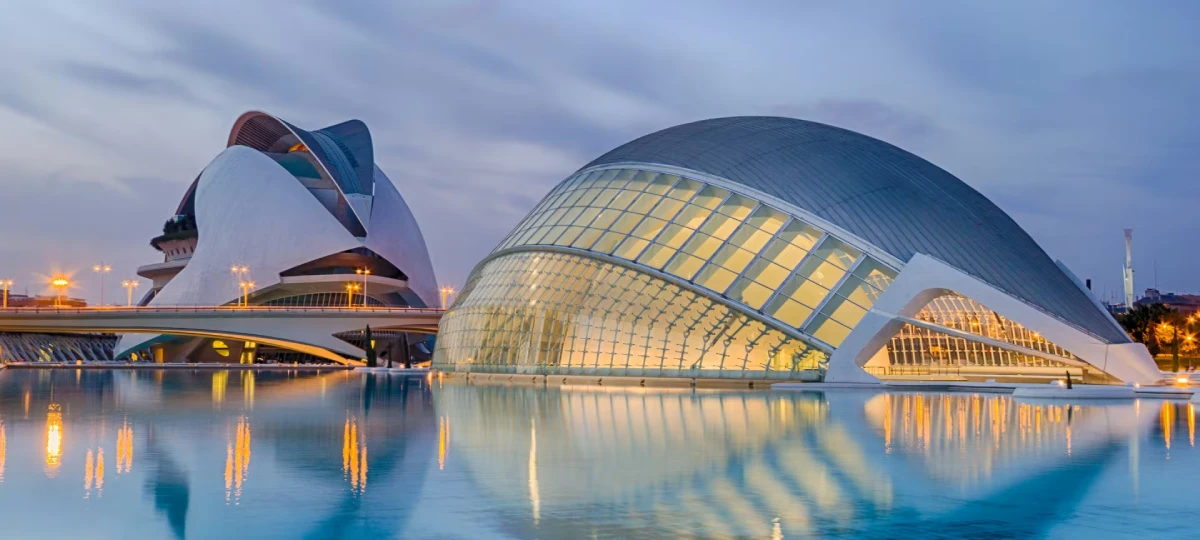
Less expensive than Barcelona but equally appealing, Valencia is an increasingly popular destination for expats. It combines beaches, gastronomy (paella!), a pleasant climate, and a moderate cost of living. The City of Arts and Sciences and the Turia Park are unique assets.
Valencia: Pros and Cons
- Advantage: Much more affordable housing than Madrid/Barcelona.
- Advantage: Beautiful beaches and a large urban park (Turia).
- Advantage: Modern city yet human-sized, easy to live in.
- Disadvantage: Fewer professional opportunities for international executives than Madrid or Barcelona.
4. Alicante and the Costa Blanca: A Paradise for Retirees
The province of Alicante is particularly popular with French-speaking and Northern European retirees. It offers a perfect balance between a very attractive cost of living, an exceptional climate, and high-quality medical infrastructure.
Alicante: Pros and Cons
- More than 300 days of sunshine per year (climate validated by WHO).
- Very significant and well-established expat community.
- Peaceful life and very affordable real estate costs.
- Less suitable for young professionals seeking skilled employment (outside of tourism).
5. Malaga and the Costa del Sol: The Sunny South
The Costa del Sol, with Malaga as its regional capital, attracts foreigners seeking a dynamic Mediterranean lifestyle. The city of Malaga has invested massively in new technologies (becoming a "Silicon Valley" of the south) and high-end tourism (Marbella, Estepona).
Malaga: Pros and Cons
- Exceptional quality of life and subtropical climate.
- Rapidly growing tech hub.
- Excellent international airport.
- Very high real estate costs (similar to Barcelona).
- Strong tourist seasonality.
6. The Balearic and Canary Islands: A Unique Setting
For those seeking a different pace of life, the Spanish islands offer an incomparable setting. Majorca and Ibiza attract families and high-end investors. Tenerife and Gran Canaria appeal to digital nomads thanks to their digital infrastructure and eternal spring-like climate.
The Islands: Pros and Cons
- Spectacular landscapes and relaxed lifestyle.
- Attractive tax regime for certain activities (Canary Islands).
- Higher cost of living (Balearic Islands) and insularity (feeling of isolation).
Expert Tip: There's no single "best" city for everyone. We always recommend renting for 6 months in your preferred area, ideally during winter, to experience the lifestyle before committing to a purchase. This is a significant decision that shouldn't be taken lightly.
Summary Table: Which City for Which Profile?
| Profile | Recommended Destination(s) | Real Estate Budget |
|---|---|---|
| Retiree (Quality/Price) | Alicante / Costa Blanca, Valencia | €€ |
| Retiree (High-end) | Malaga / Costa del Sol, Majorca | €€€€€ |
| Family with children | Valencia, Alicante, Majorca | €€ - €€€€ |
| Digital Nomad / Young Professional | Barcelona, Madrid, Malaga, Canary Islands | €€€ - €€€€ |
| Investor (Yield) | Valencia, Alicante (coastal cities) | €€ - €€€ |

Conclusion
There isn't a single "best" place to live in Spain, but a multitude of choices depending on your priorities: Barcelona for innovation, Madrid for professional opportunities, Valencia for balance, Alicante and Malaga for a sunny retirement, or the islands for a unique setting.
Based on your needs, you will find a region in Spain that perfectly matches your expectations. The important thing is to clearly define your project and visit before making a decision.

Which region of Spain is right for you?
Take advantage of market opportunities. Let's discuss your project.
Article Summary
- Introduction
- 1. Barcelona: The Cosmopolitan Mediterranean Hub
- Barcelona: Pros and Cons
- 2. Madrid: The Vibrant, Connected Capital
- Madrid: Pros and Cons
- 3. Valencia: The Perfect Balance of Sea and Quality of Life
- Valencia: Pros and Cons
- 4. Alicante and the Costa Blanca: A Paradise for Retirees
- Alicante: Pros and Cons
- 5. Malaga and the Costa del Sol: The Sunny South
- Malaga: Pros and Cons
- 6. The Balearic and Canary Islands: A Unique Setting
- The Islands: Pros and Cons
- Summary Table: Which City for Which Profile?
- Conclusion
FAQ: Choosing Your City to Live and Invest in Spain
Investing in Spain offers a wealth of residential and investment opportunities. Understanding each region's unique characteristics is crucial for a successful relocation and a sound property investment.
- A large international community.
- Numerous professional opportunities, especially in the rapidly expanding technology sector and tourism.
- A very varied cultural and leisure offering.
- Its proximity to the sea, offering a unique living environment.
- The cost of housing is particularly high, comparable to other major European capitals.
- The city experiences a high tourist influx, which can affect the quality of life in certain neighborhoods.
- Some administrative complexity may arise, particularly due to the predominance of Catalan in local procedures.
- A major employment hub in Europe.
- An efficient transport network and an international airport hub.
- An intense cultural and gastronomic life, with an unparalleled leisure offering.
- Summers can be very hot and dry, due to its continental climate.
- Rents are constantly rising, reflecting strong demand and economic dynamism.
- The lack of direct access to the sea is a criterion for some, although compensated by numerous parks and green spaces.
- Much more affordable housing than Madrid or Barcelona, offering excellent value for money.
- Its magnificent beaches and large urban park, the Turia.
- A modern, human-sized city, easy to live in, with a pleasant climate and renowned gastronomy (paella!).
- fewer professional opportunities for international executives than Madrid or Barcelona, particularly in certain cutting-edge sectors.
- More than 300 days of sunshine per year, with a climate endorsed by the WHO.
- A very significant and well-established expat community, facilitating integration.
- A peaceful life and a very affordable cost of real estate.
- High-quality medical infrastructure.
- They offer fewer qualified job opportunities for young professionals, outside the tourism sector.
- The general atmosphere is more geared towards relaxation and retirement, which may not suit those seeking intense urban dynamism.
- Exceptional quality of life and a subtropical climate.
- A rapidly growing technology hub.
- An excellent, well-connected international airport.
- A varied offering, from the lively beaches of Malaga to luxurious towns like Marbella and Estepona.
- The cost of real estate is very high, similar to Barcelona in some sought-after areas.
- Strong tourist seasonality, which can lead to saturation of certain services and a variation in atmosphere throughout the year.
- Spectacular landscapes and a relaxed lifestyle.
- The Canary Islands attract digital nomads thanks to their digital infrastructure and eternal spring climate.
- Mallorca and Ibiza appeal to families and high-end investors.
- The Canary Islands benefit from an attractive tax regime for certain specific economic activities.
- The cost of living is often higher, particularly in the Balearics, due to their insular nature.
- A sense of isolation can arise for some individuals, linked to this same insularity.
- Heavy reliance on tourism can make the local economy seasonal.
| Profile | Recommended Destination(s) | Property Budget |
|---|---|---|
| Retiree (Quality/Price) | Alicante / Costa Blanca, Valencia | €€ |
| Retiree (High-end) | Malaga / Costa del Sol, Mallorca | €€€€€ |
| Family with Children | Valencia, Alicante, Mallorca | €€ - €€€€ |
| Digital Nomad / Young Professional | Barcelona, Madrid, Malaga, Canaries | €€€ - €€€€ |
| Investor (Yield) | Valencia, Alicante (coastal cities) | €€ - €€€ |


